Posts Tagged ‘History’

My World: The John Oliver Cabin

August 31, 2010

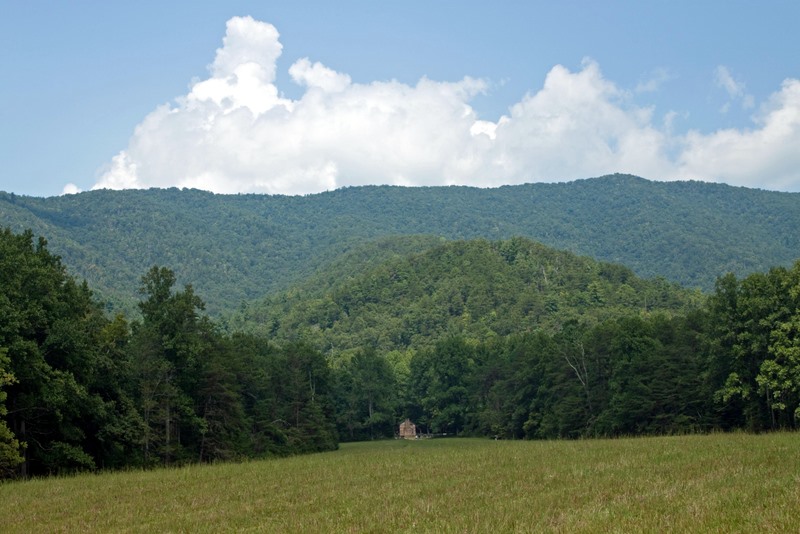
Cades Cove with the John Oliver cabin in the background. August 27, 2010.

This is my post for the My World meme.  It is hosted by Klaus, Ivar, Sandy, Wren, and Fishing Guy.  To learn more about our world or to join and share your part of the world, click HERE.

Betsy and I went to Cades Cove in the Smokies on Friday.  We hadn’t driven the Loop Road since it was re-paved and we wanted to see what improvements had been made.  Of course we stopped several times to take pictures.

One of the places we stopped was the cabin of John and Lurena Oliver, who were the first permanent settlers in the cove.  They arrived in Cades Cove in 1818.  Their cabin was most likely built in 1822.

The picture above shows the cabin and its setting in the cove.  The cabin is quite a way from the current Loop Road, but the setting is beautiful.
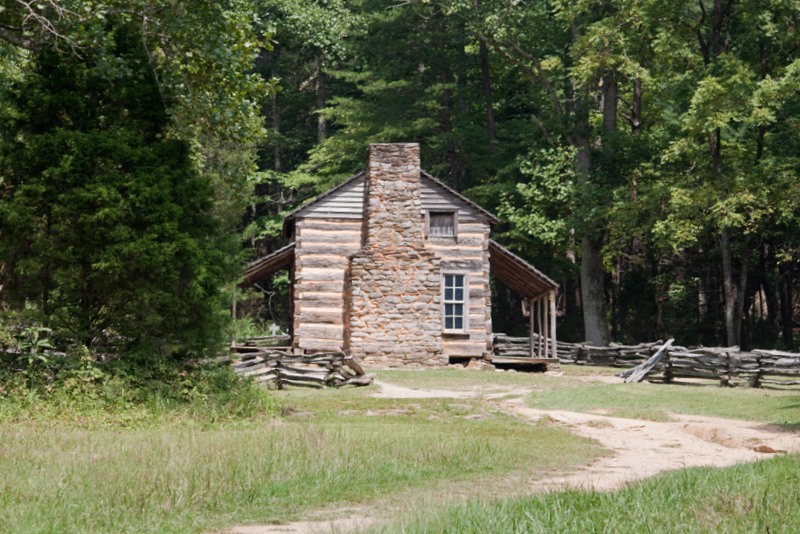
The John Oliver cabin, Cades Cove, Great Smoky Mountains National Park, Tennessee. August 27, 2010.

The cabin was built in a style that was fairly typical along the eastern frontier at this time.  Perhaps the most interesting feature is that no pegs or nails were used to build this cabin.  Gravity locks the logs together and the chinks are filled with mud to seal out wind and rain.  The small windows and doors help conserve heat and maintain the cabin’s strength.
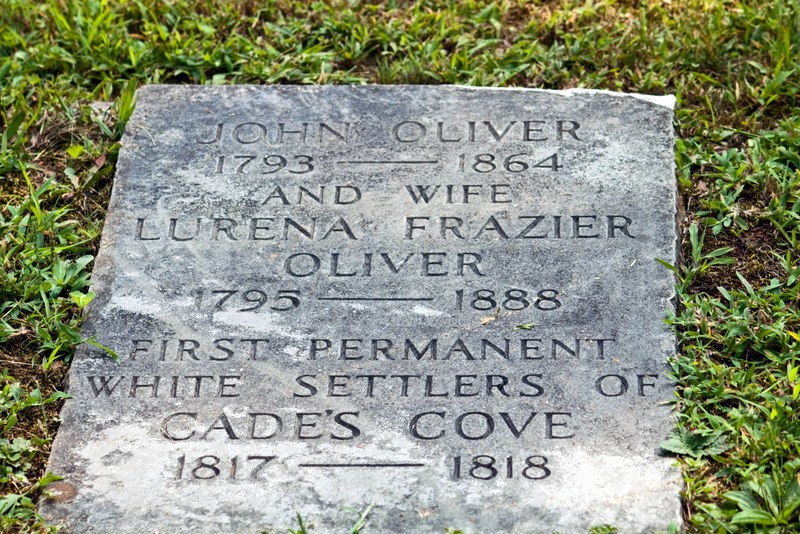
Gravestone of John and Lurena Oliver, Primitive Baptist Church, Cades Cove, Tennessee. August 27, 2010.

John and Lurena Oliver are buried in the graveyard of the Primitive Baptist Church which they helped establish and which is fairly near their cabin.
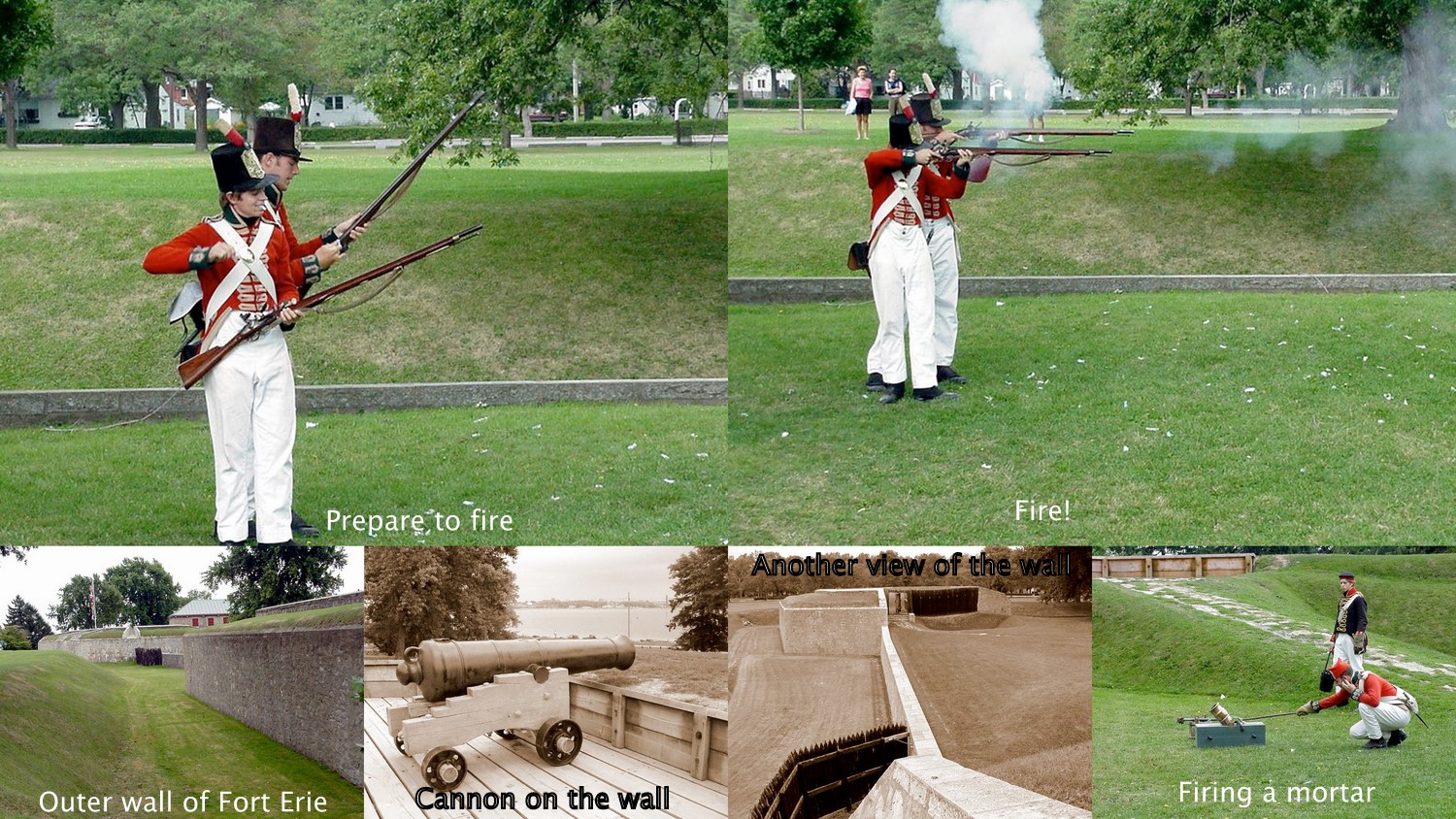
Down Memory Lane: Fort Erie

July 29, 2010

Betsy and I went to Niagara Falls in 2002.  We stayed on the Canadian side of the border, and in addition to visiting the falls we also visited some of the historical sites in the area.

Fort Erie is across the Niagara River from Buffalo, New York.  It was part of the British fortification system along the river and served as a British supply base during the War of 1812.  During that war the Americans captured Fort Erie twice, but withdrew back across the river each time.  When the Americans abandoned the fort the second time they destroyed it, but the fort was rebuilt by the British after the war.

To see these pictures and others, click HERE.

********************

A most unusual event occurred in the Glade yesterday afternoon — it rained.  It’s been several weeks since we’ve had a good rain fall.  As I write this over an inch of rain has fallen since it started.  Our lawn may actually turn green again.

Happy Fourth of July

July 3, 2010

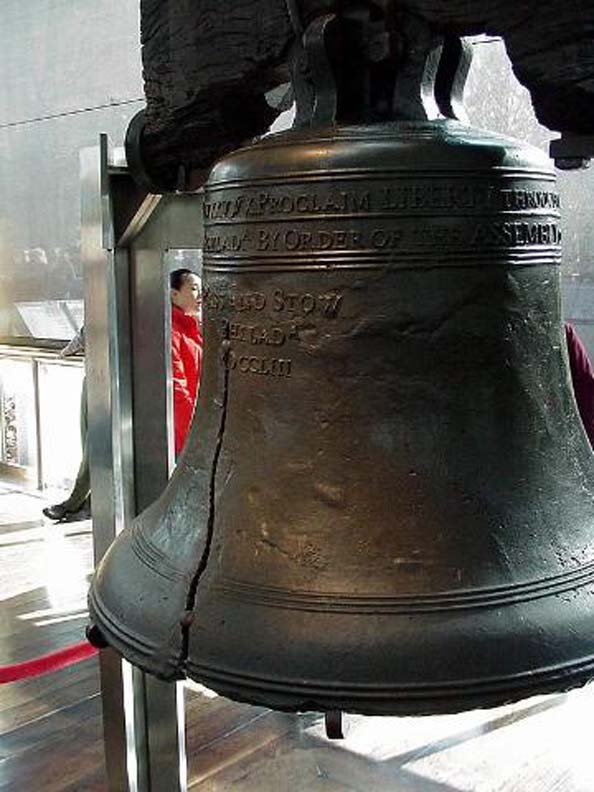
The Liberty Bell, Philadelphia, Pennsylvania. December 2, 2000.

” …  We hold these truths to be self-evident, that all men are created equal, that they are endowed by their Creator with certain unalienable rights, that among these are life, liberty and the pursuit of happiness. …”

Two hundred and thirty-four years ago, the United States began with a declaration and an ideal.  We need to remember both and work to bring the ideal closer to reality.

Have a happy and safe Fourth of July.

A Flag Day Tirade

June 14, 2010

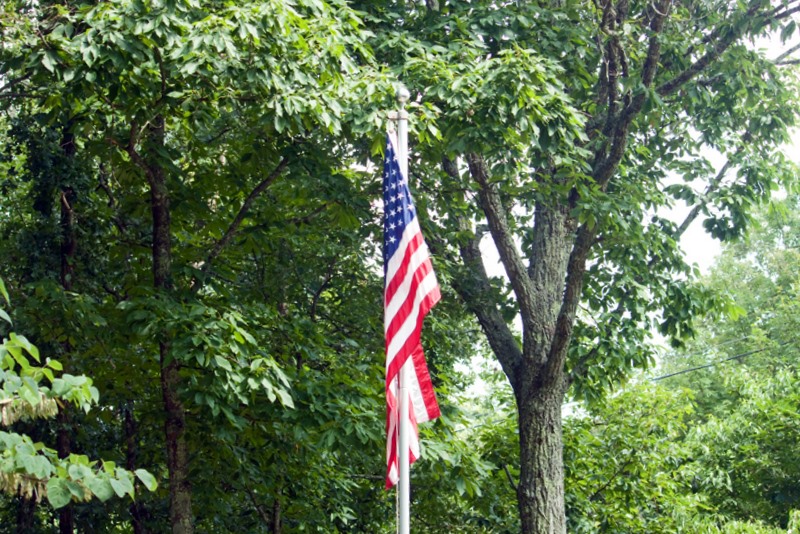
The flag in our yard waiting for a breeze. June 13, 2010.

Warning:  If you don’t want to read a tirade from an Old Fogey, skip the post below.

One of my never-ending projects is converting our vinyl records to digital format.  I put many of the resulting files onto my iPod, but I also burn CDs so we can enjoy classical music on our stereo system and so that we can listen to music in the car.

On our trip to the beach in May we took along CDs made from an album of vinyl records put out by Reader’s Digest around the time of our Bicentennial.  One of the tracks was Kate Smith’s “God Bless America”.  After listening to it, Betsy and I got to talking about that and other patriotic songs we remember from our childhood.  We sang these songs in schools and other places and usually didn’t even need to have the printed words since we knew them (or at least parts of them) by heart.  Now I wonder if our grandchildren have even heard them.

If they haven’t I think they are missing out on something.  Now don’t get me wrong — I know that the U. S. is not heaven on earth.  But I do think that this is a pretty special country.  My father grew up as a tenant farmer’s son who went to town with his father in a horse-drawn wagon.  I ended up programming and running computers half-way around the globe.  Our civil discourse is decidedly uncivil at times, but I think most Americans are decent, hard-working people who care about their families and their neighbors.  When there is a disaster in any part of the world Americans are usually there helping in person or by donating money.

So on this Flag Day the flag will be flying at our house (perhaps there will even be a breeze).  As it says another song, “If this is flag-waving — flag-waving — can you think of a better flag to wave?”

Scenic Sunday #89: Cades Cove

March 28, 2010

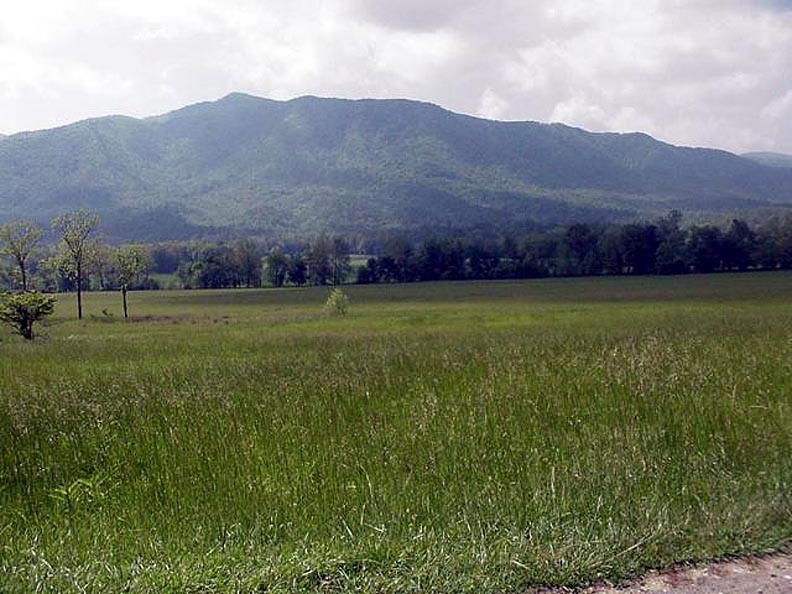
Fields in Cades Cove, Great Smoky Mountains National Park, Tennessee.

This is my post for the Scenic Sunday meme, which shares beautiful scenes from around the world.  To see more Scenic Sunday posts, or to join and show your own pictures, click HERE.

Cades Cove is probably the most visited part of the Great Smoky Mountains National Park.  The Cades Cove Loop road is a wonderful way to see lush fields, old homesteads and  plentiful wildlife.  BUT NOTE:  THE CADES COVE ROAD IS NOW BEING RESURFACED AND IS CLOSED UNTIL MAY 21, 2010.

The Cove has been preserved by the park to look much the way it looked in the 1800s.  It was once a small mountain community with settlers mainly from Virginia, North Carolina and upper east Tennessee.  Today Cades Cove contains original pioneer homesteads, barns, businesses, pastures and farmland.

When driving the loop most of the settlers’ homes and homesites are on the outside of the road, while there are acres of grass and wildflower fields on the inside.  Those fields were once used for growing wheat, corn and cattle.

If you are on a tight schedule or are in a hurry, stay away from Cades Cove.  If you would like to step back into time, Cades Cove would be a wonderful place to visit.

********************
Today I’m thankful for all the people and organizations that preserve the past for us to enjoy and learn from today.

Scenic Sunday # 80: Castillo de San Marcos

January 24, 2010

Castillo de San Marcos, St. Augustine, Florida. August 4, 2009.

This is my post for the Scenic Sunday meme, which shares beautiful scenes from around the world.  To see more Scenic Sunday posts, or to join and show your own pictures, click HERE.

I’ve been to St. Augustine, Florida, America’s oldest city, several times.  There are many interesting things to see and do in St. Augustine, but one of the most fascinating places to visit is Castillo de San Marcos, the Spanish fort that was constructed to protect the town.  Construction began in 1672 and Castillo de San Marcos in the oldest masonry fort in North America.  It is also the only 17th century fort still standing.  The fort was never captured in spite of several attacks from Spain’s enemies.

Castillo de San Marcos contains a great deal of history, but it is also a very scenic place to visit.

********************

I’m grateful for all the fascinating history of this country that has been preserved for us to enjoy today.

Down Memory Lane: Shirley Plantation

January 18, 2010

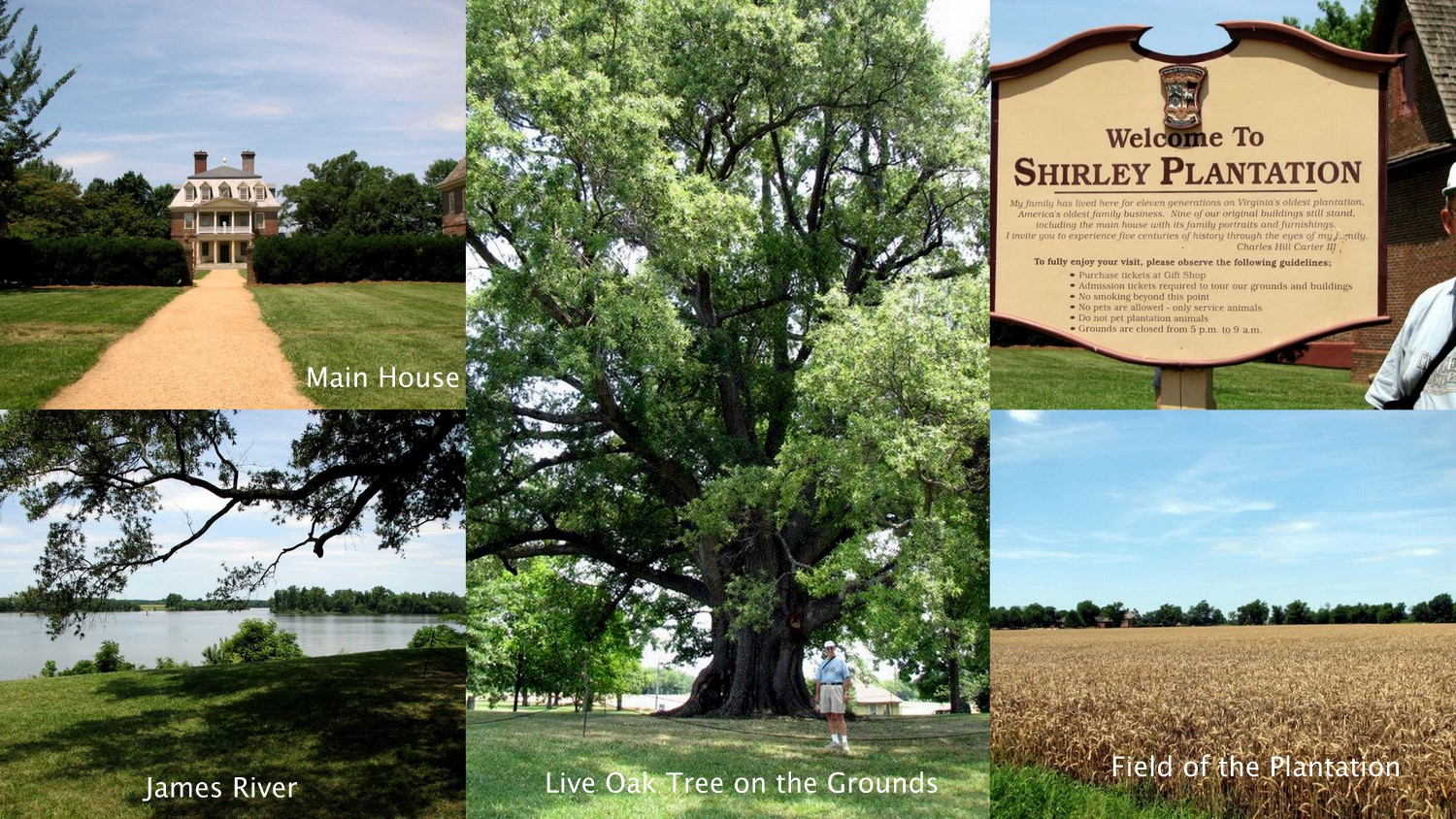
Our visit to Shirley Plantation, Virginia. June 23, 2007.

While we were in Virginia back in 2007, we visited Shirley Plantation, located on the James River between Williamsburg and Richmond.

Shirley Plantation is Virginia’s first plantation (1613), established by royal grant only six years after John Smith’s settlement at Jamestown.  Shirley Plantation is the oldest family-owned business in North America dating back to 1638.  Construction of the present mansion began in 1723 when Elizabeth Hill, great-grandaughter of Edward Hill, the first owner, married John Carter, eldest son of Robert “King” Carter.  Completed in 1738, the mansion, referred to as the “Great House,” is largely in its original state and is owned, operated, and lived in by direct descendants of Edward Hill.

I really wanted to see Shirley because Anne Hill Carter, the mother of Robert E. Lee, was born at Shirley.  She married Henry “Light-Horse Harry” Lee in the parlor at Shirley.  George Washington was one of the wedding guests.

Robert E. Lee spent quite a bit of time at Shirley as a youngster, and I thoroughly enjoyed being able to see this house and grounds.

To see these pictures and others, click HERE.

********************

I’m grateful for the opportunity to visit historical places and experience where events in our past took places.

Westover Parish Church

January 14, 2010

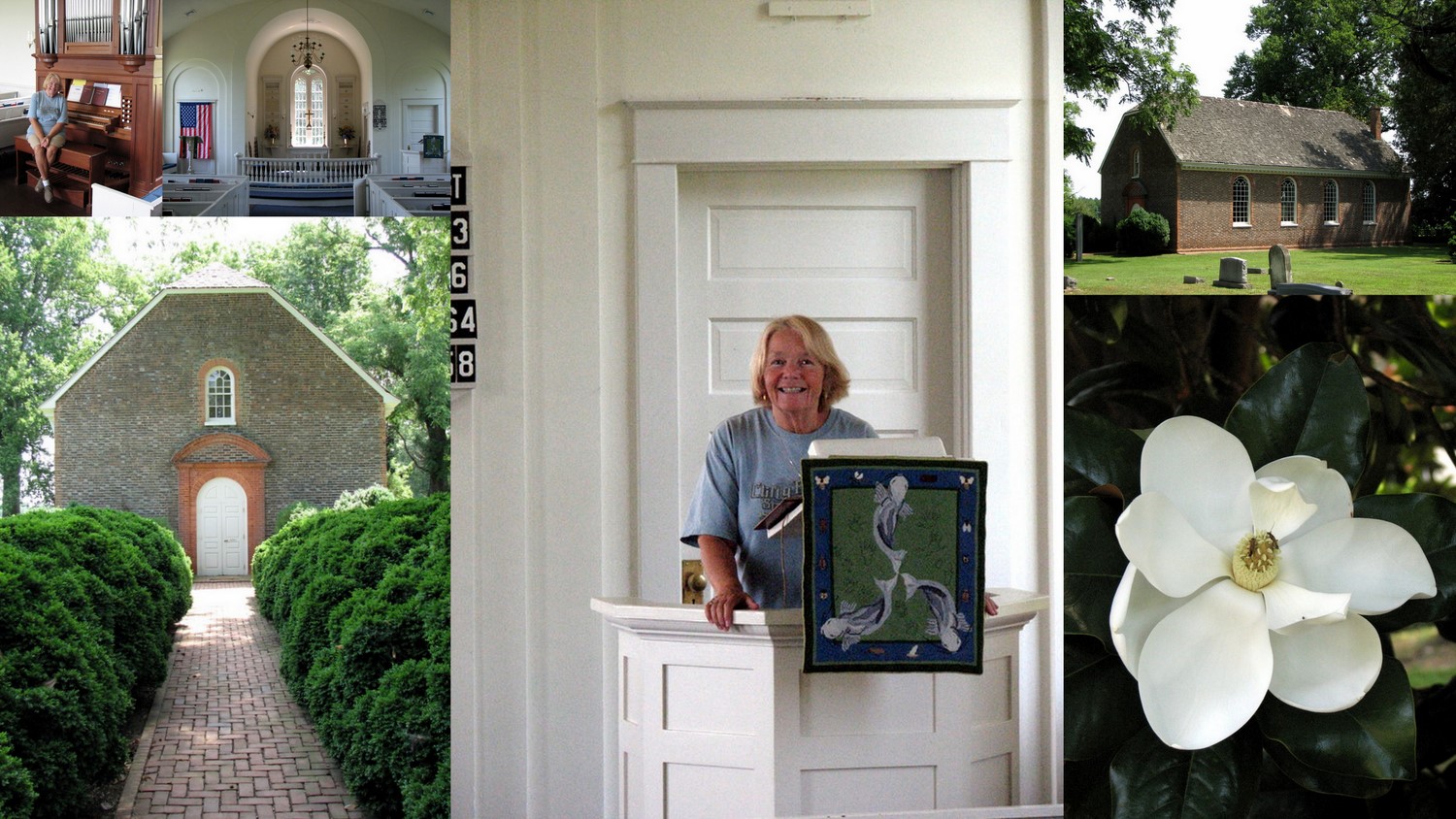
Scenes from Westover Parish Church, Charles City, Virginia. June 23, 2009.

On our anniversary trip in 2007 Betsy and I drove toward Richmond after leaving Jamestown-Yorktown-Williamsburg.  Our route took us parallel to the James River, which was the ‘highway’ of colonial Virginia.

About halfway to Richmond we came to Westover Parish Church.  I knew that Westover was one of the earliest Virginia plantations, so we decided to stop.

Westover Parish was formed in 1613 and a church was constructed between 1630 and 1637 on Westover Plantation.  The present church building was completed about 1730.  Between 1803 and 1833 the church was abandoned and used part of the time as a barn.  But in 1833 the building was repaired and restored and religious services were revived.  Westover Church was badly wrecked by Federal troops during the Civil War, but it was restored again in 1867 and has been in continuous use ever since.

Through the years farmers, plantation owners, slaves and presidents have worshipped at Westover Church.  The presidents include George Washington, Thomas Jefferson, William Henry Harrison, John Tyler (whose plantation is nearby) and Theodore Roosevelt.

To see these pictures and others, click HERE.

********************

I’m grateful to the people who love and preserve the history of this wonderful country.

Down Memory Lane: A Second Day at Williamsburg

January 11, 2010

Scenes from our second day at Williamsburg. June 22, 2007.

A couple of days ago I posted about our first day at Williamsburg.  Betsy and I went back a second day to see more of the historic area.

We visited the Museums of Williamsburg — the DeWitt Wallace Decorative Arts Museum and the Abby Aldrich Rockefeller Folk Art Museum.  Both museums were wonderful and they had excellent collections.  Betsy was especially impressed with the grandfather clocks we saw (she has always wanted one).  Fortunately we had to check our back packs before we went in and she couldn’t fit one in her pocket!

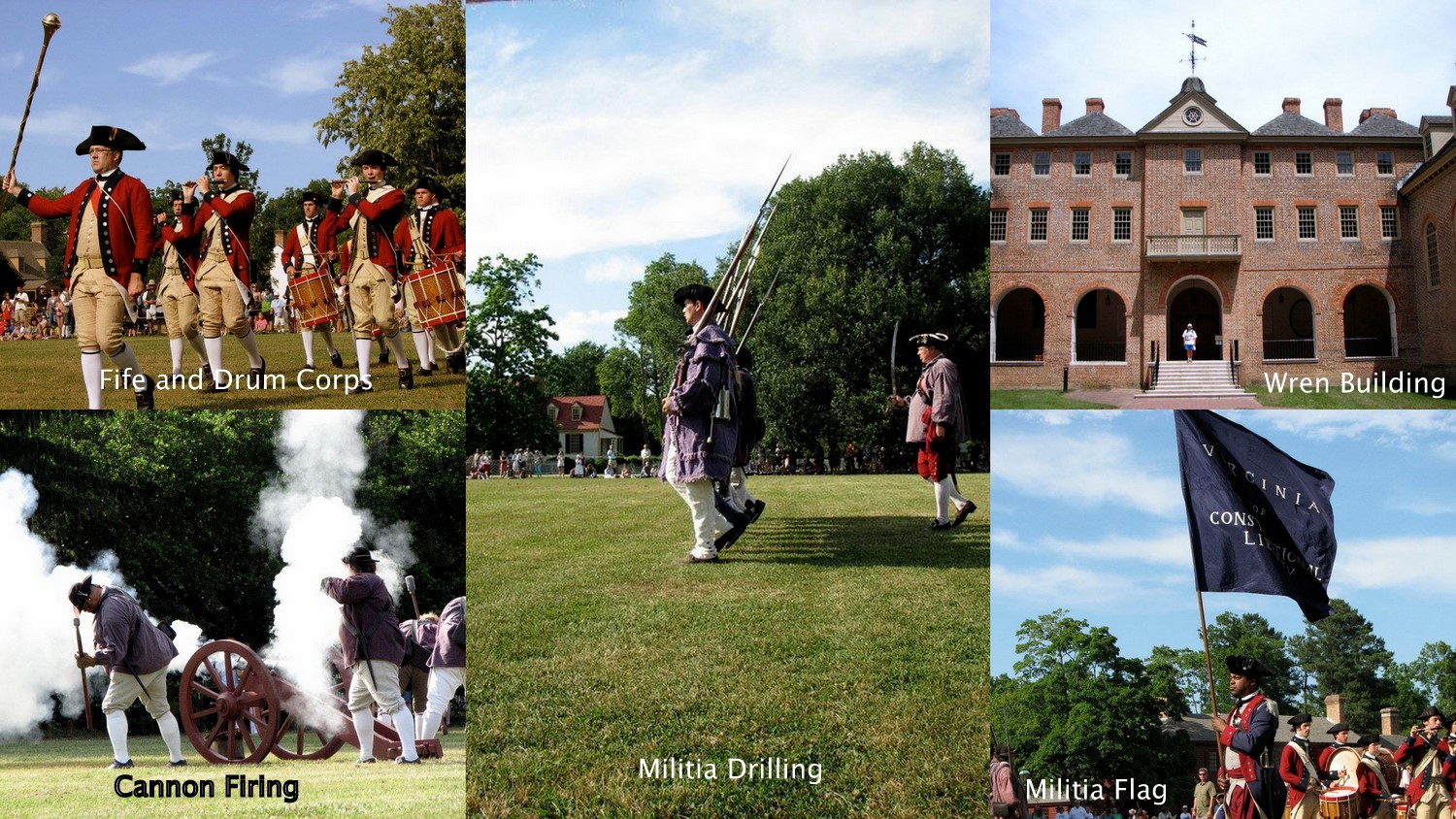
We also visited the College of William and Mary, where we toured the Wren Building, the oldest academic building still in use in America.  Construction on the building began August 8, 1695.  It was destroyed by fire three times, but was always rebuilt.  Today it looks very much as it did in 1723.  It was the first major building restored by John D. Rockefeller, Jr., after he began Williamsburg’s restoration in the late 1920s.

We also enjoyed a military review on Williamsburg’s Market Square by the 2nd Virginia Regiment and the Fife and Drums Corp.  The review included drills, musket firings and the firing of a cannon.

To see these pictures and others, click HERE.

********************

I’m grateful for the blue skies we enjoyed yesterday after a week of dreary gray skies.

Down Memory Lane: Colonial Williamsburg

January 9, 2010

Scenes from our visit to Colonial Williamsburg. June 21, 2007.

In 2007 Betsy and I went to Virginia on our anniversary trip.  We went primarily because it was the 400th anniversary of the founding of Jamestown, but while we were in the area we also visited Yorktown and Williamsburg.

Williamsburg was the capital of Virginia from  1699 to 1780, when Virginia was the largest, most populous, and most influential of the American colonies.  George Washington, Thomas Jefferson and George Mason all spent time in Williamsburg during this time.

In 1780 the capital of Virginia was moved to Richmond and Williamsburg reverted to a simple, quiet college town, the home of the College of William and Mary.  In 1926 the rector of Bruton Parish Church in Williamsburg talked to John D. Rockefeller, Jr., about preserving the city’s historic buildings.  That was the beginning of Colonial Williamsburg, which today encompasses approximately 85 percent of the 18th-century capital’s area.

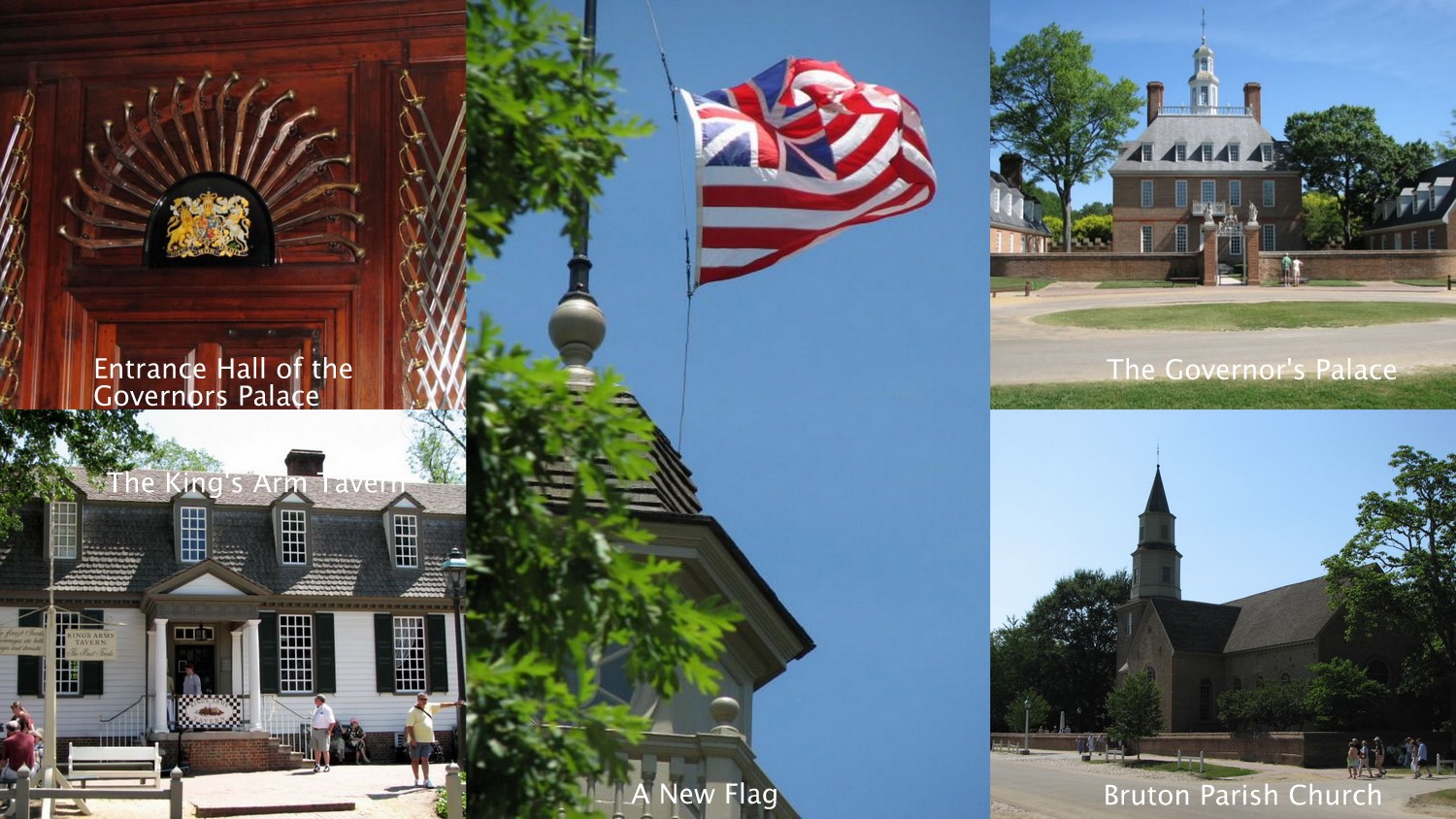
On our first day at Williamsburg we visited the Governor’s Palace, the Capitol, Bruton Parish Church and had lunch at the King’s Arms Tavern.  We also saw a performance by the Colonial Williamsburg Fife and Drums.

To see these pictures and others, click HERE.

********************

I’m grateful to the young adults in the Sunday School class at Mom and Dad’s church who have taken Mom and Dad under their wing and are helping them with chores around the house.